




Fish farming has created wealth for many people around the world. Some farmers have expanded from a single pond to large fish farms that supply markets, hotels, restaurants, and supermarkets. At the same time, others struggle to make a profit and sometimes abandon the business altogether.
What makes the difference?
The answer is not luck. In most cases, success comes from good planning, proper management, and treating fish farming like a business.
Successful Fish Farmers Start with a Plan
Many people enter fish farming because they hear stories about quick profits. They dig a pond, stock fish, and hope for the best. Unfortunately, farming without a clear plan often leads to disappointment.
Successful farmers know:
- What type of fish they will raise.
- Where they will sell their fish.
- How much feed they will need.
- How much money they expect to spend and earn.
A simple plan helps avoid costly mistakes.
They Use Quality Fingerlings
A business is only as good as its foundation. In fish farming, that foundation is the fingerlings.
Healthy fingerlings grow faster, survive better, and produce better results. Buying cheap fingerlings from unreliable sources may seem like a way to save money, but it often leads to poor performance and losses.
They Pay Attention to Feeding
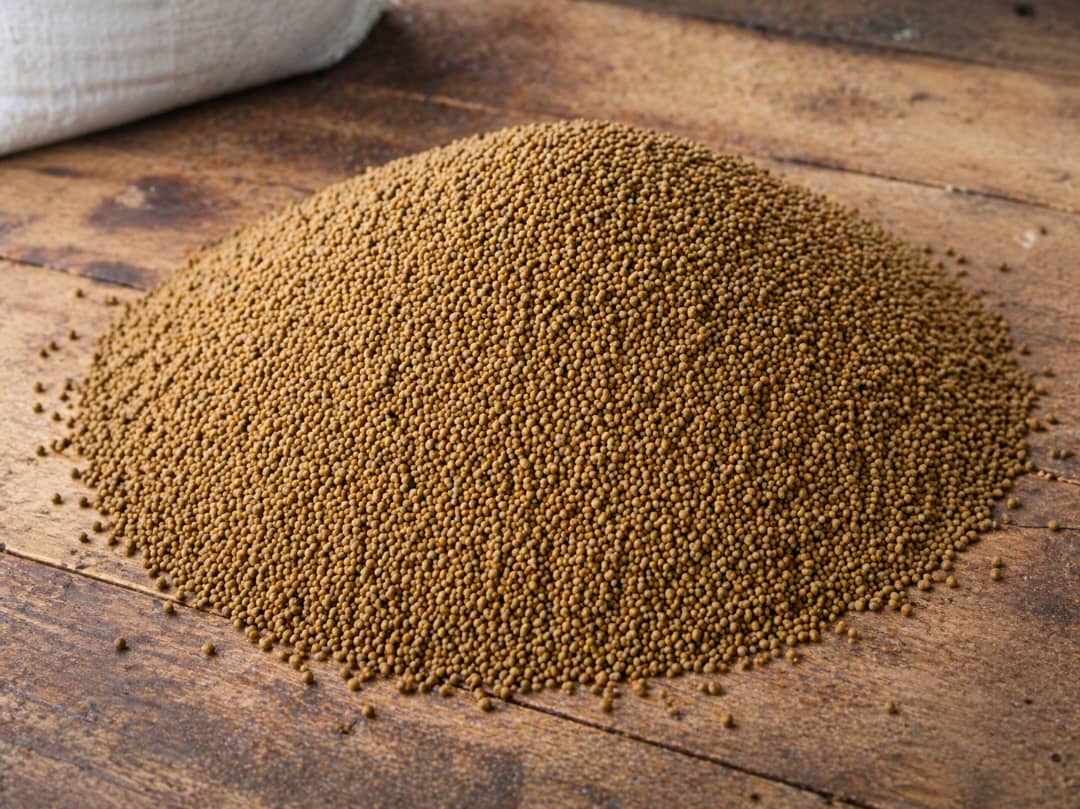
Feed is one of the biggest costs in fish farming. Successful farmers understand that feeding is not about giving fish as much food as possible.
Overfeeding wastes money and pollutes the water. Underfeeding slows growth and delays harvesting.
The goal is to provide the right amount of quality feed at the right time.
They Monitor Their Fish Regularly
Successful fish farmers do not wait until harvest time to check on their fish.
They regularly observe:
- Fish behavior.
- Growth rates.
- Water conditions.
- Signs of disease.
Early detection of problems can prevent major losses.
They Keep Records
Many struggling farmers rely on memory instead of records.
Successful farmers write down:
- Feed costs.
- Fingerling purchases.
- Medicine and treatment expenses.
- Sales and income.
Good records help farmers understand whether they are making a profit and where improvements are needed.
They Understand Their Market
Growing fish is only part of the business. Selling them is equally important.
Some farmers produce fish without knowing who will buy them. When harvest time arrives, they struggle to find customers and may sell at low prices.
Successful farmers identify buyers before harvesting. They build relationships with traders, restaurants, hotels, and local markets.
They Continue Learning
Agriculture is constantly changing. New techniques, better feeds, and improved management practices become available every year.
The most successful fish farmers never stop learning. They attend training sessions, seek advice, read agricultural information, and learn from experienced farmers.
Common Reasons Why Farmers Struggle
Many fish farmers face difficulties because they:
- Start without enough knowledge.
- Use poor-quality fingerlings.
- Overfeed or underfeed fish.
- Ignore water quality.
- Fail to keep records.
- Lack a market strategy.
- Treat fish farming as a side activity instead of a business.
These mistakes can reduce profits and sometimes lead to complete failure.
Conclusion
The difference between successful fish farmers and struggling fish farmers is rarely the size of the pond or the amount of money invested. More often, it comes down to management, planning, and commitment.
Fish farming can be highly rewarding, but it requires patience, attention, and continuous learning. Farmers who focus on good practices and smart decision-making are more likely to achieve long-term success.
In fish farming, success is not built overnight. It is built one good decision at a time.
📩 Subscribe to Agronela Insights and never miss expert agricultural insights, farming innovations, agribusiness opportunities, livestock management tips, crop production guides, and food nutrition updates.
Join our growing community today and stay ahead in the future of agriculture.
🌱 Learn. Innovate. Grow with Agronela Insights.