



You check on your pond every morning.
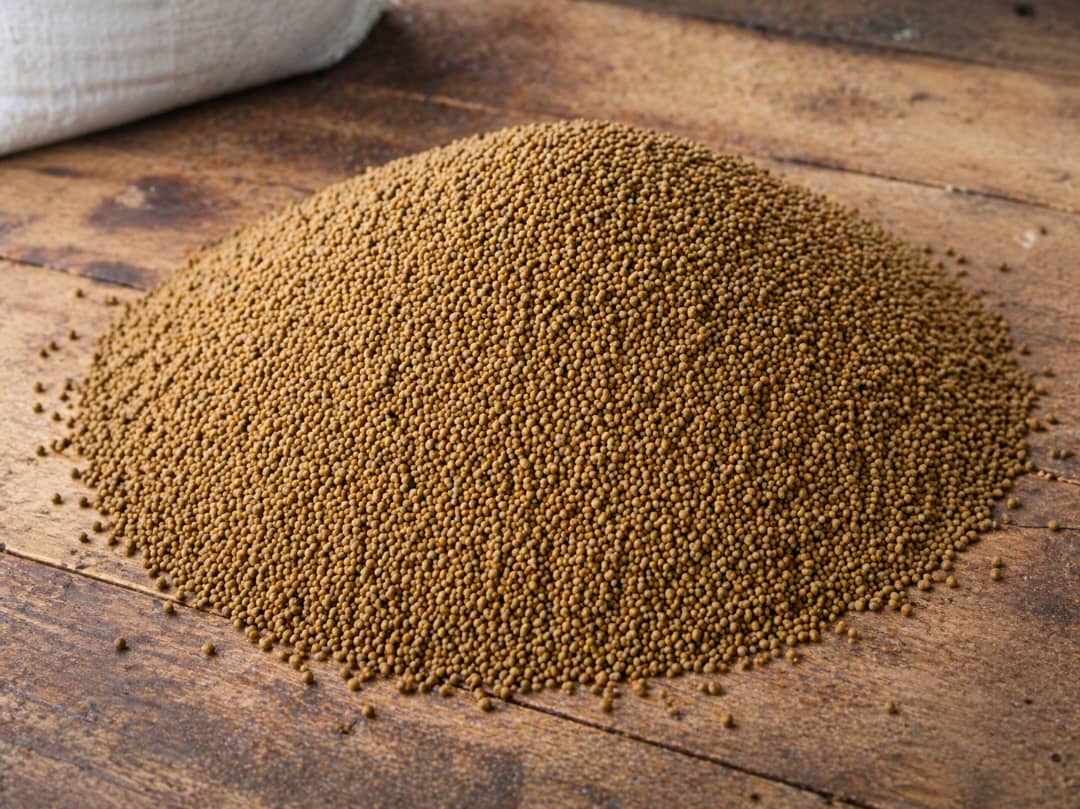
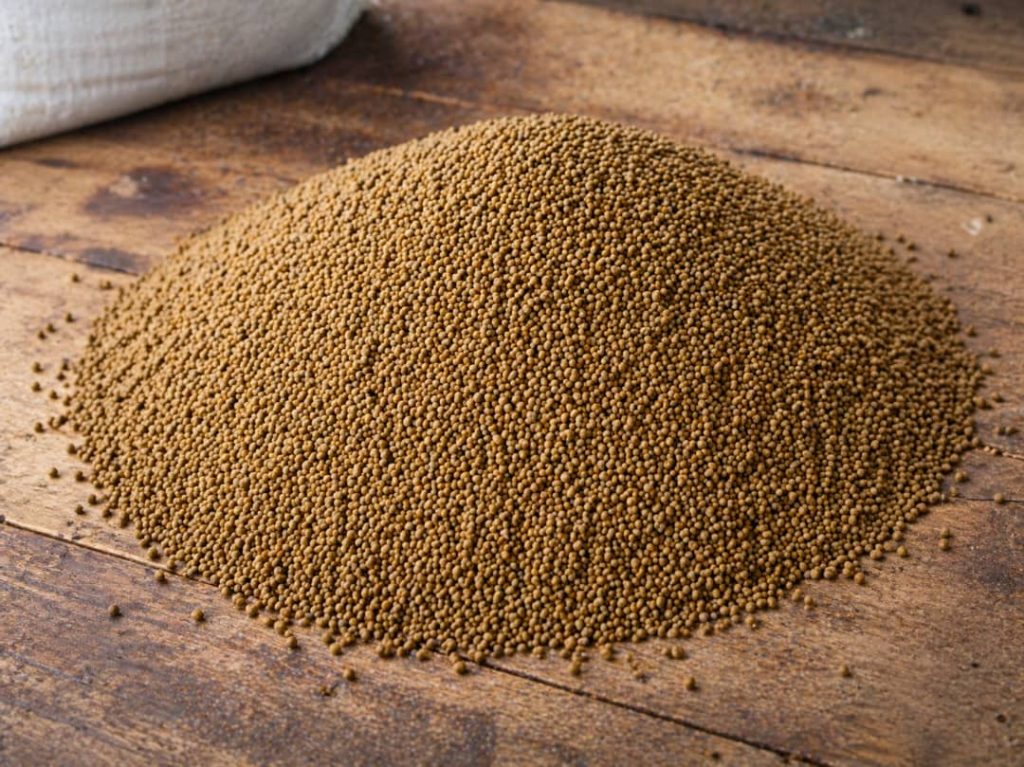
You measure the feed.
You track the water quality.
Still, some fish grow faster than others even when they receive exactly the same amount of pellets.
Surprisingly, the secret is not more feed. In some cases, extra feed actually slows them down.
So what’s really happening beneath the surface?
The Hidden Buffet You Didn’t Order
Fish are not passive eaters.
Inside every pond, a hidden food web is constantly working. Algae, tiny insects, zooplankton, and microbial colonies form a natural buffet that never appears in your feed budget.
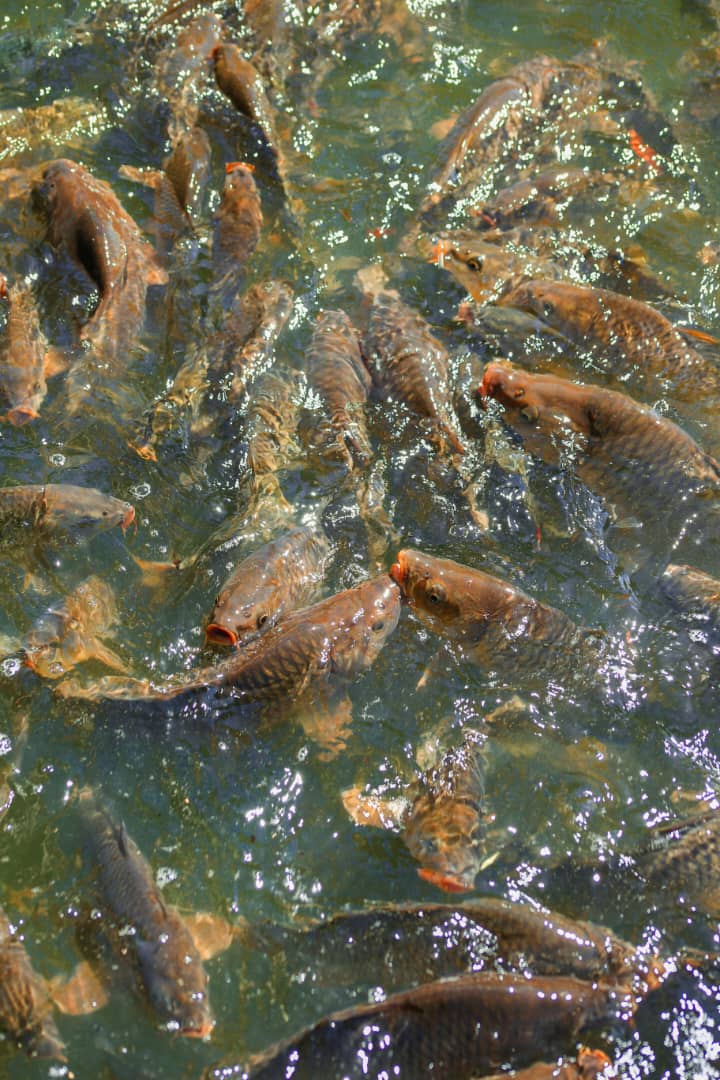
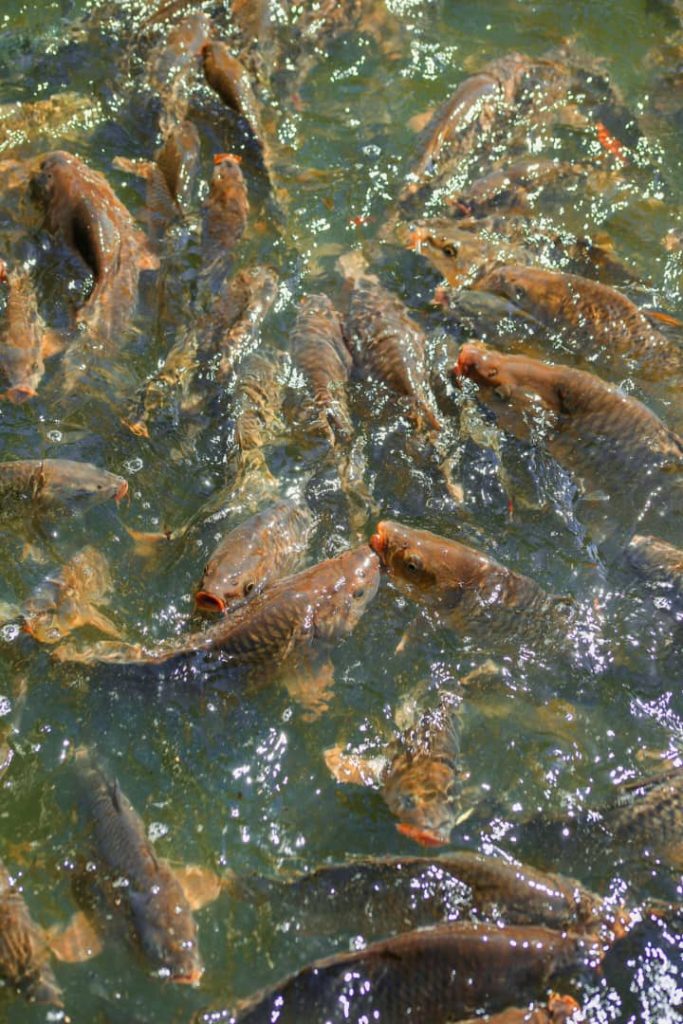
Some fish especially Tilapia, carp, and catfish are naturally better at hunting this invisible meal. While others wait for pellets to fall, these fish graze throughout the day on nature’s supply.
They don’t need extra feed.
They’ve simply found a second kitchen.
One study found that tilapia raised in plankton-rich ponds grew 22% larger than those in sterile tanks despite receiving identical commercial feed.
That’s not a small difference.
Over a six-month growing cycle, that extra growth can translate into hundreds of additional kilograms per pond without a single extra bag of feed.
The “Overfeeding Trap” Most Farmers Fall Into
Most farmers assume:
More feed = More growth
It sounds logical. But here’s the twist that surprises even experienced growers. When ponds are overfed, leftover feed sinks and rots at the bottom. That decaying layer releases ammonia, lowers dissolved oxygen, and encourages harmful bacterial blooms.
Fish then spend more energy surviving poor water conditions instead of growing.
Research shows that overfed ponds can experience growth reductions of up to 18% compared to properly managed ponds because stressed fish grow slower. Meanwhile, fish that partly rely on natural food often experience:
- Cleaner water with more stable oxygen levels
- Lower stress and healthier immune systems
- Better feed conversion efficiency
- More energy directed toward muscle growth
The fastest-growing fish are not always the ones eating the most pellets.
They are usually the fish living in a balanced ecosystem where nature handles part of the feeding process.
The Genetic Factor No One Talks About
Not all fish are born equal.
This is where selective breeding changes everything.
Programs such as the GIFT strain of tilapia (Genetically Improved Farmed Tilapia) have produced fish capable of growing 30–40% faster than wild strains without requiring extra feed.
Why?
Because these fish use energy more efficiently. They spend less energy searching for food and more energy converting nutrients into growth.
Researchers are now studying genes linked to:
- Natural foraging ability
- Feed conversion efficiency
- Disease resistance
- Faster muscle development
Some hatcheries in Southeast Asia now offer “low-feed-dependent” fingerlings.
Farmers using these improved strains report feed cost reductions of up to 25% while maintaining similar harvest weights.
Real Farmer Experience: A Case From Uganda
Take the example of Mr. Okello, a small-scale farmer near Lake Victoria.
Like many farmers, he believed feeding more often would speed up growth. He fed his Nile tilapia three times daily, and feed expenses consumed nearly 70% of his operating costs.
After learning about natural pond productivity, he reduced feeding to twice daily and introduced green-water management techniques that encouraged controlled algae growth.
The result?
- Fish reached market size two weeks earlier
- Feed costs dropped by 30%
- Disease outbreaks became less frequent
- Water quality improved significantly
His conclusion was simple:
“The biggest mistake I made was thinking more feed meant more growth.”
What This Means for Your Farm Today
You do not necessarily need expensive additives, imported genetics, or secret formulas.
You need to unlock the ecosystem already living inside your pond.
Here are three practical changes you can start today:
- Stop Feeding on a Fixed Schedule
Use feeding trays or observe how quickly pellets disappear. Let the fish show you when they are truly hungry.
- Encourage Natural Plankton Growth
Leave parts of the pond undisturbed and carefully introduce composted organic matter to stimulate zooplankton growth. Avoid raw manure.
- Separate Fish by Size
Large fish often dominate feeding zones. Separating fish into size groups reduces competition and allows smaller fish to forage naturally.
Farmers Applying These Methods Commonly Report:
15–25% lower feed costs
Healthier fish with fewer disease outbreaks
Better water stability
Equal or improved growth rates using less pellet feed
The goal is not feeding less.
The goal is feeding smarter.
And allowing nature to do part of the work for you.
Coming Next on Agronela Insights
In our next article, we’ll reveal:
- The three microorganisms linked to the fastest fish growth
- A simple pond-side clarity test farmers can use without a laboratory
- Why one floating plant species can dramatically increase natural pond productivity
👉 Have you ever noticed certain fish in your pond growing faster than others?
Share your experience in the comments or send this article to a fellow farmer struggling with rising feed costs.
Agronela Insights Real answers from the water, soil, and barn.